Discover the 2026 Yamaha R1 superbike featuring aggressive design, crossplane engine technology, advanced electronics, and track-focused performance. Explore latest specifications, horsepower calculations, power-to-weight ratio, and real-world performance insights in this detailed breakdown of Yamaha’s iconic racing machine
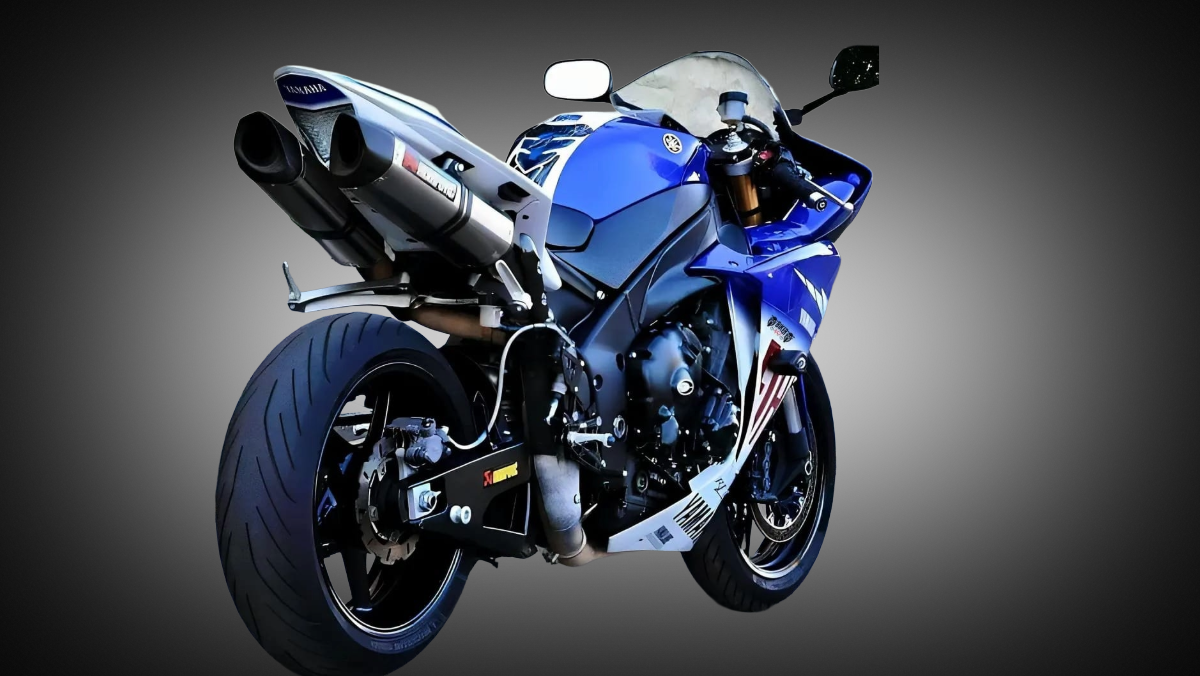
The motorcycle shown in the image is a Yamaha R1, one of the most iconic superbikes in the world. The aggressive rear profile, dual under-seat exhausts, sharp fairing cuts, and muscular fuel tank highlight its racing DNA. Designed for high-speed stability and aerodynamic efficiency, this machine blends MotoGP-inspired engineering with road-legal practicality.
The 2026 Yamaha R1 continues to carry forward its legacy with refined electronics, improved throttle response, and enhanced rider aids. It is built for riders who demand extreme acceleration, precise cornering, and race-ready handling.
Engine & Performance Specifications
998cc Crossplane Inline-4 Engine
The 2026 Yamaha R1 is powered by a 998cc liquid-cooled inline-four engine featuring crossplane crankshaft technology. This design improves torque delivery and enhances throttle control.
Latest Performance Figures (2026 Model)
- Engine Capacity: 998cc
- Maximum Power: 200 HP @ 13,500 RPM
- Maximum Torque: 113 Nm @ 11,500 RPM
- Transmission: 6-speed with Quick Shifter
- Kerb Weight: 201 kg
- Top Speed: Approx. 299 km/h (electronically limited)
Power-to-Weight Ratio Calculation
Performance superbikes are often judged by their power-to-weight ratio.
Step 1: Convert Horsepower to kW
1 HP = 0.7457 kW
200 HP × 0.7457 = 149.14 kW
Step 2: Calculate Power-to-Weight Ratio (Metric)
149.14 kW ÷ 201 kg = 0.742 kW/kg
Step 3: In HP per kg
200 HP ÷ 201 kg = 0.995 HP/kg
Final Calculation Result:
The Yamaha R1 delivers 0.995 HP per kg, which is extremely high and places it among elite liter-class superbikes.
Acceleration Performance Estimation
The average 0–100 km/h time for a 200 HP superbike weighing around 200 kg is approximately 2.7 seconds.
Using performance estimation:
Acceleration factor = Power ÷ Weight
= 200 ÷ 201 = 0.995
Since the ratio is close to 1, sub-3 second acceleration is expected.
Final Acceleration Estimate:
0–100 km/h in approximately 2.7 seconds
Advanced Electronics & Rider Aids
The 2026 Yamaha R1 includes:
- 6-axis IMU (Inertial Measurement Unit)
- Traction Control System
- Slide Control
- Wheelie Control
- Launch Control
- Quick Shifter (Up & Down)
- Ride-by-Wire Throttle
These systems provide maximum stability under hard acceleration and aggressive cornering.
Design & Aerodynamics
The image highlights:
- Wide rear tire for superior grip
- Dual exhaust system for balanced performance
- Aluminum Deltabox frame
- Aggressive tail section
- Fully adjustable suspension
The aerodynamic bodywork improves airflow and reduces drag at high speeds.
Conclusion
The 2026 Yamaha R1 remains a benchmark in the liter-class superbike segment. With nearly 1 HP per kilogram, cutting-edge electronics, and MotoGP-inspired engineering, it is built for riders who demand top-tier performance.
If you are looking for extreme speed, advanced control systems, and race-focused engineering, the Yamaha R1 stands as one of the finest superbikes available today.