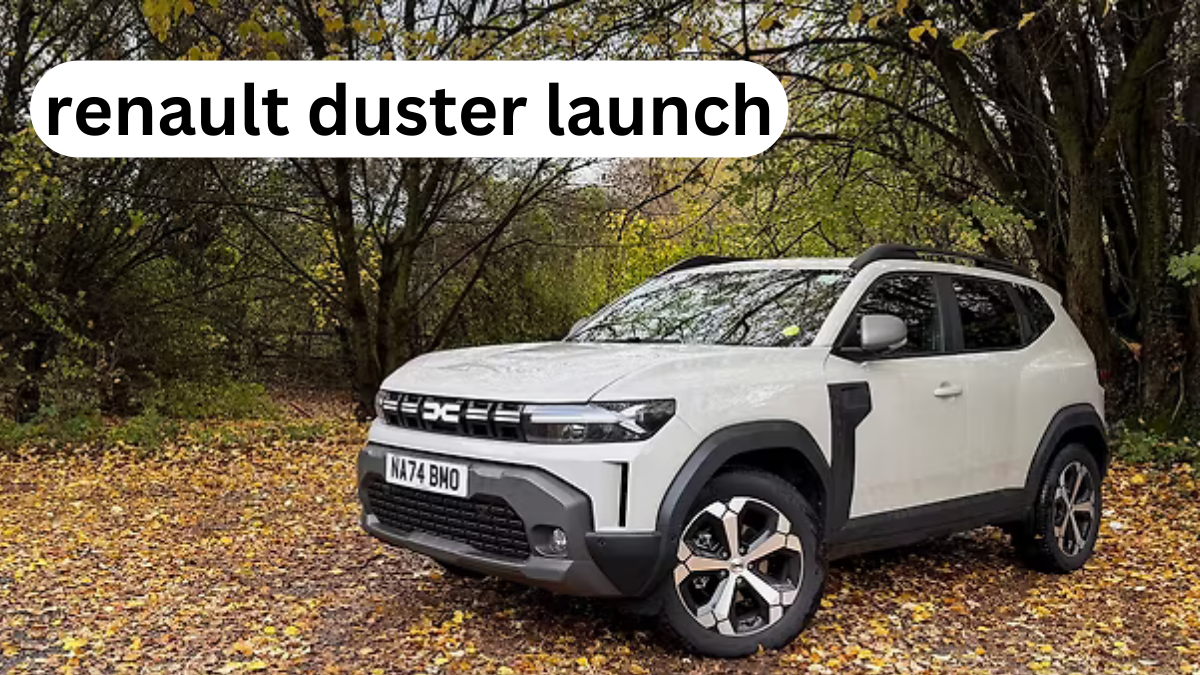
The Renault Duster is gearing up for a major revival in India, with its third-generation model scheduled to debut on January 26, 2026, coinciding with Republic Day celebrations. After a four-year absence since the last version was discontinued in 2022, this iconic compact SUV is poised to shake up the market once again. Known for its rugged appeal and affordability when it first arrived in 2012, the Duster helped Renault gain a foothold in India. Now, with fresh design cues, advanced features, and competitive pricing, it aims to challenge rivals like the Hyundai Creta and Kia Seltos. If you are curious about what this relaunch brings, here is a straightforward look at the details based on the most recent updates.
The Story Behind the Return
Renault has been teasing the new Duster for months, building excitement through glimpses of its bolder styling and enhanced capabilities. The launch event is expected to kick off at 6:30 PM on January 26, highlighting the SUV’s evolution. This model draws from the global Dacia Duster but gets tweaks for Indian preferences, such as better ground clearance and robust build to handle diverse road conditions. Renault plans to manufacture it locally, which should keep costs down and support faster deliveries.
Expected Price and Variants
One of the biggest draws is the pricing strategy. Reports indicate the base model could start under Rs 10 lakh (ex-showroom), making it an attractive option in the compact SUV segment. Higher variants might climb to Rs 20 lakh, depending on features and drivetrain choices. Expect multiple trims, including entry-level, mid-range, and top-end versions with optional all-wheel drive. This aggressive pricing positions it as a value-packed alternative to pricier competitors.
Design and Build
The 2026 Duster sports a more muscular look with sharp lines, a prominent grille, and Y-shaped LED headlights that give it a modern edge. It measures around 4.3 meters in length, offering ample space for five passengers and a generous boot. The interior feels upgraded with soft-touch materials, a floating touchscreen, and ambient lighting. Built on the CMF-B platform shared with other Renault-Nissan vehicles, it promises improved rigidity and safety, including up to six airbags and electronic stability control.
Engine and Performance
Power options include efficient petrol and hybrid engines to meet emission norms. The base could feature a 1.0-liter turbo-petrol with around 100 horsepower, while higher specs might offer a 1.3-liter turbo delivering up to 156 horsepower. Transmission choices range from manual to automatic CVT. For adventure seekers, select variants come with 4×4 terrain control modes like Auto, Snow, Mud/Sand, Off-road, and Eco, plus a ground clearance of about 210 mm for tackling rough paths.

Features and Technology
Inside, the Duster packs a 10.1-inch infotainment system with wireless Android Auto and Apple CarPlay, alongside a 7-inch digital driver display. Safety tech includes ADAS features like adaptive cruise control, lane keep assist, and blind-spot monitoring on top trims. Other highlights are wireless charging, ventilated seats, and a premium audio system. Connectivity gets a boost with over-the-air updates and app integration for remote vehicle monitoring.
Key Specifications Table
| Feature | Details |
|---|---|
| Length | Approximately 4.3 meters |
| Engine Options | 1.0L turbo-petrol (100 hp); 1.3L turbo (156 hp) |
| Transmission | Manual/CVT automatic |
| Drivetrain | Front-wheel drive; optional 4×4 |
| Ground Clearance | 210 mm |
| Infotainment | 10.1-inch touchscreen with wireless connectivity |
| Safety | Up to 6 airbags, ADAS suite |
| Expected Price Range | Rs 10 lakh to Rs 20 lakh (ex-showroom) |
The Renault Duster’s return feels like a nod to its loyal fans while attracting new ones with modern touches. As it launches on a national holiday, it could mark a symbolic fresh start for Renault in India. If you are in the market for a versatile SUV, keep an eye on the event for final confirmations on pricing and availability. This relaunch might just redefine what value means in the segment.